
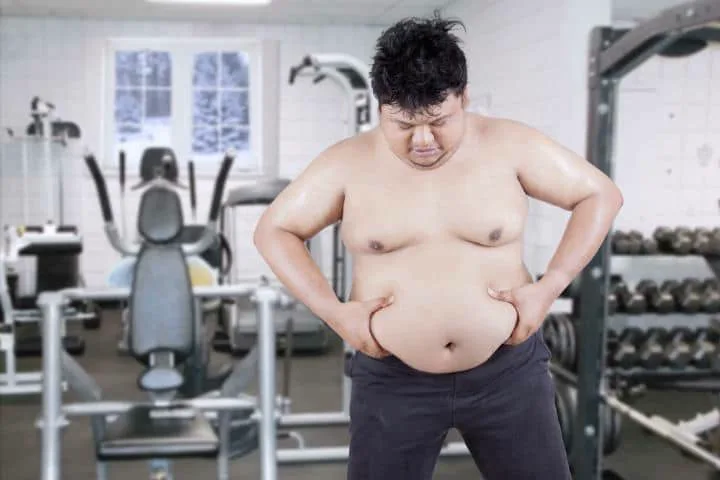
Why Is Belly Fat More Difficult to Lose?
Medically reviewed by Dr. Michael Paltiel, MD, Board-Certified Dermatologist | 20+ Years Experience | Last Updated: April 2026
Belly fat is harder to lose than fat in other areas of your body for one main reason: it is hormonally active. Unlike the subcutaneous fat under your skin, the visceral fat packed around your abdominal organs releases hormones that influence how your body stores energy, processes insulin, and responds to stress. That is why a calorie deficit alone often is not enough, especially after age 40 when shifting hormone levels favor abdominal storage.
The good news: when diet and exercise plateau, FDA-cleared body-contouring treatments like CoolSculpting and Emsculpt can target the stubborn belly fat pockets that will not respond. Dr. Michael Paltiel, MD and the team at Adult and Pediatric Dermatology of Forest Hills, Queens use these noninvasive options as part of a personalized plan.
Visceral fat vs. subcutaneous fat: why the difference matters
Body fat falls into two main categories. Subcutaneous fat is the soft, pinchable layer that sits just under your skin. You can grab it with your fingers, and it tends to respond reasonably well to a calorie deficit and resistance training. Visceral fat is different. It packs around your liver, intestines, and pancreas inside the abdominal cavity, where you cannot pinch it or directly target it.
That deeper fat is metabolically aggressive. According to research from Harvard Health, visceral fat is linked with increased risks of type 2 diabetes, stroke, high blood pressure, depression, and heart attack. It releases inflammatory signals that subcutaneous fat does not, which is why a thicker waistline carries health risk that the same number of pounds elsewhere on the body does not.
From a fat loss standpoint, the practical issue is that visceral fat sits behind a wall of muscle and is the fat your body treats as its long-term energy reserve. It is engineered to stay put.
Why your body fights to keep belly fat
Several mechanisms work against you when you try to slim your midsection. Most are biological, not behavioral.
Hormones make belly fat “active”
Belly fat releases its own hormones, including signals that affect insulin sensitivity, appetite regulation, and cortisol response. Some researchers describe abdominal fat as functioning almost like an extra organ. The more visceral fat you carry, the more it tilts your hormonal environment toward storing additional belly fat, which is why patients who already carry weight in the midsection often find it the hardest area to reduce.
Age and menopause shift fat to the midsection
Hormonal changes in your late 30s, 40s, and beyond redirect where the body stores fat. In women, declining estrogen during perimenopause and menopause shifts fat distribution from the hips and thighs to the abdomen. In men, gradual testosterone decline has a similar effect. Patients often notice their body composition change without any change in diet or activity. That is hormonal, not a willpower issue.
Stress and the cortisol-belly connection
Chronic stress elevates cortisol, and elevated cortisol promotes abdominal fat storage. The body interprets stress as a survival signal and switches from burning energy to banking it. This pattern is so well documented that the term “stress belly” is used clinically. Sleep deprivation has the same effect on cortisol and is one of the most underappreciated contributors to a stalled waistline.
Genetics and body composition
Where your body stores fat is largely inherited. Two patients with the same body weight and the same diet can have very different waist measurements. Genetics also influences how quickly visceral fat accumulates and how it responds to weight loss.
Inactivity and modern diets
The lifestyle layer matters. Sedentary jobs, low NEAT (non-exercise activity thermogenesis), and diets heavy in refined carbs, sugar, and alcohol all contribute to visceral fat accumulation. These are the levers most patients can move first, but they often plateau before the belly fully responds.
“Most patients I see have already done the hard work. They have cleaned up their diet, they are exercising, they have lost weight in their face and limbs. But the belly stays. That is not a willpower problem; it is biology. Visceral fat responds to hormones first, and it is almost always the last area to give up its stores. We have to look beyond calories at that point.”
Dr. Michael Paltiel, MD
Is belly fat really the last to go?
For most people, yes. Fat loss order is largely genetic, but a consistent pattern shows up in clinic: patients lose weight in the face and upper body first, then the limbs, with the lower abdomen and visceral fat depleting last. This is biological prioritization. Your body protects its central energy reserves longest.
This is also why “spot reduction” through targeted ab exercises does not work. You cannot direct a calorie deficit at one area of the body. Strengthening your abdominal muscles makes the area firmer once the fat is gone, but it does not preferentially burn fat from above the muscles you are training.
The lower abdomen is especially stubborn. Many patients reach a healthy weight overall but still carry a lower belly pooch that will not flatten regardless of how clean their diet is or how often they train.
How to lose belly fat: what actually works
Lifestyle changes still come first. They are the foundation, and they are non-negotiable before considering medical options.
Diet adjustments that target visceral fat
A modest calorie deficit (usually 300 to 500 calories below maintenance), high protein intake (0.8 to 1 gram per pound of goal body weight), and reduced refined carbs and alcohol are the highest leverage diet moves. Visceral fat is more responsive to overall fat loss than to any specific food, so consistency matters more than restriction.
Exercise that moves the needle
Resistance training preserves muscle during a deficit, which keeps your metabolic rate higher. Adding two to three sessions of higher-intensity cardio (intervals, brisk uphill walking, or zone 2 work) preferentially mobilizes visceral fat in studies.
Sleep, stress, and cortisol management
Seven to nine hours of sleep, daily stress reduction practices, and limiting caffeine after noon all help normalize cortisol. Patients who skip this step often plateau no matter how disciplined their diet is.
When to call in medical help
If you have been within 20 to 30 pounds of your goal weight for at least three months, are training consistently, and still carry a stubborn belly pocket, lifestyle alone may not move it. That is the point at which body contouring treatments become an appropriate next step.
Body-contouring treatments for stubborn belly fat
Body contouring is not a weight loss tool. It is a contour tool for fat that lifestyle has not fully resolved. Two FDA-cleared treatments handle most cases at our practice.
“I tell every consultation: body contouring is not a weight loss tool. It is a contour tool. CoolSculpting and Emsculpt work for patients who are within about 20 to 30 pounds of their goal weight and have a specific area that will not respond. Used that way, the results are predictable and they last.”
Dr. Michael Paltiel, MD
CoolSculpting (cryolipolysis)
CoolSculpting uses controlled cooling to crystallize and break down fat cells in pinchable subcutaneous areas. Over the following 6 to 12 weeks your body clears the damaged cells through normal lymphatic drainage. Most patients see a 20 to 25 percent reduction in fat thickness in the treated area after one or two sessions. Best fit: patients within 20 to 30 pounds of goal weight with pinchable lower abdomen, flank, or upper abdomen pockets.
Emsculpt (HIFEM muscle stimulation)
Emsculpt uses high-intensity focused electromagnetic energy to trigger thousands of supramaximal muscle contractions per session. Each 30-minute session is roughly equivalent to 20,000 crunches, and the resulting muscle hypertrophy produces a flatter, more defined abdominal contour. It also reduces fat in the treated area, though less aggressively than CoolSculpting. Best fit: patients who want both fat reduction and muscle definition or who cannot do high-volume abdominal training due to lower back issues.
How we decide which is right for you
The choice depends on your starting point. Patients with a clear pinchable pocket usually start with CoolSculpting. Patients who want a more athletic-looking core or who want to add muscle tone after weight loss usually start with Emsculpt. Combination protocols (CoolSculpting first, Emsculpt as a follow up) are common and produce the most complete contour change. A consultation with Dr. Paltiel maps the right plan to your anatomy and goals.
When to see a dermatologist about stubborn belly fat
Schedule a consultation if any of the following apply:
- You have been within 20 to 30 pounds of your goal weight for three months or more and the lower abdomen will not budge
- Diet and exercise are working everywhere except the midsection
- Hormonal shifts (menopause, post-pregnancy, andropause) have changed your body composition and the belly is not responding to your usual approach
- You want a contour change without surgery, downtime, or general anesthesia
To learn more, call 718-896-3376 or schedule a consultation online with Dr. Paltiel and the team at Adult and Pediatric Dermatology of Forest Hills, Queens.
Frequently asked questions about stubborn belly fat
Why is belly fat so hard to lose?
Belly fat is hormonally active visceral fat surrounding your abdominal organs. It releases hormones that affect insulin sensitivity, stress response, and fat storage, which makes it more resistant to a simple calorie deficit than the subcutaneous fat in other body areas.
Why can’t I lose belly fat even when I’m losing weight elsewhere?
Subcutaneous fat in the limbs and face responds first to a calorie deficit. Visceral belly fat is metabolically more conservative because the body treats it as a long-term energy reserve. Hormonal shifts after age 35 to 40, especially around perimenopause and male testosterone decline, make this even more pronounced.
Is belly fat really the last fat to go?
Yes, for most people. Fat loss order is largely genetic, but visceral and lower abdominal subcutaneous fat are biologically prioritized as energy reserves and tend to deplete after fat in the face, arms, and legs.
How long does it take to lose stubborn belly fat?
With a consistent caloric deficit and resistance training, most patients see meaningful waist circumference change in 8 to 12 weeks. Plateaus after that point are common and often signal a need for hormonal evaluation or targeted body-contouring treatments.
Will CoolSculpting help if I have a lot of belly fat?
CoolSculpting is best for pinchable subcutaneous fat in patients who are within roughly 20 to 30 pounds of their goal weight. It is not a weight loss treatment and does not address visceral fat. A consultation can determine whether you are a candidate.
What’s the difference between CoolSculpting and Emsculpt?
CoolSculpting reduces fat by freezing fat cells (cryolipolysis). Emsculpt uses HIFEM electromagnetic energy to contract muscle, building tone underneath the fat layer. Many patients combine both for a leaner contour and a stronger core.
This article is for informational purposes only and is not a substitute for professional medical advice, diagnosis, or treatment. CoolSculpting and Emsculpt results vary by patient. Always consult a board-certified dermatologist regarding any medical concerns.
Medically reviewed by Dr. Michael Paltiel, MD
Board-certified dermatologist at Adult and Pediatric Dermatology in Forest Hills, Queens, treating medical, surgical, and cosmetic skin conditions for adults and children.
Related Treatments
Questions About Your Skin? We Can Help.
Schedule a consultation with our board-certified team at our Forest Hills, Queens office.
This information is provided for educational purposes and is not a substitute for professional medical advice, diagnosis, or treatment. Please schedule a consultation with our team to discuss your individual needs.