

Skin Cancer Screening and Treatment in Forest Hills, Queens
Early Detection and Treatment in Forest Hills
Quick Facts About Skin Cancer Screening
Here's what to know about evaluation and care.
Lead Provider
Dr. Michael Paltiel, MD Board-Certified Dermatologist
Types Evaluated
Basal cell, squamous cell, melanoma, atypical moles, actinic keratoses, Merkel cell.
Diagnostic Method
Visual exam, dermoscopy, biopsy if needed.
Screening Frequency
Average risk annual. High risk every 6 months. Self-exam monthly.
Treatment Options
Excision, cryotherapy, topical medications, and photodynamic therapy. Mohs surgery coordinated with a fellowship-trained Mohs surgeon when indicated.
Insurance Coverage
Typically covered as medically necessary. Staff verifies coverage.
When Should You Get a Skin Check?
Match your situation to the right next step.
If you have a new or changing mole, what should you do?
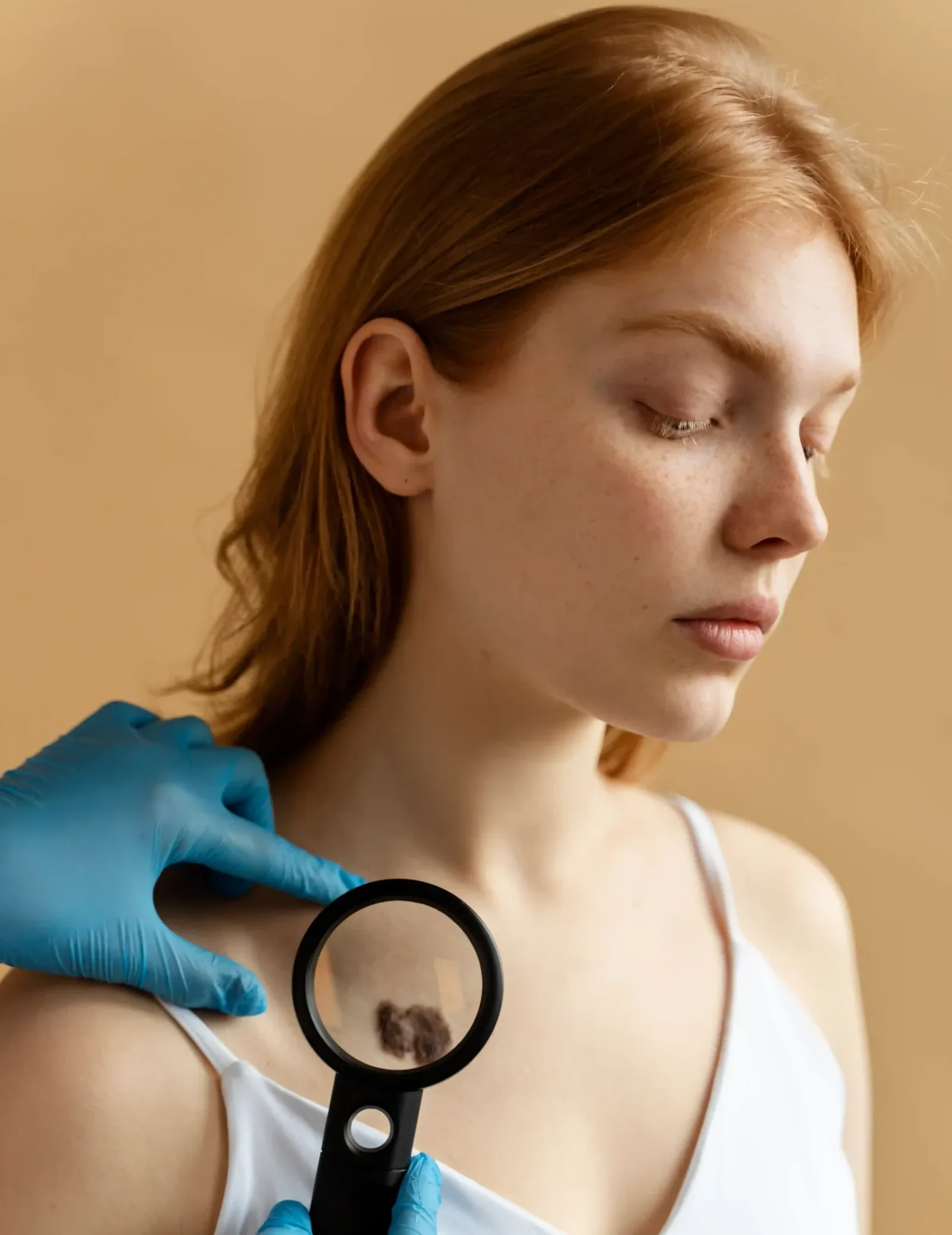
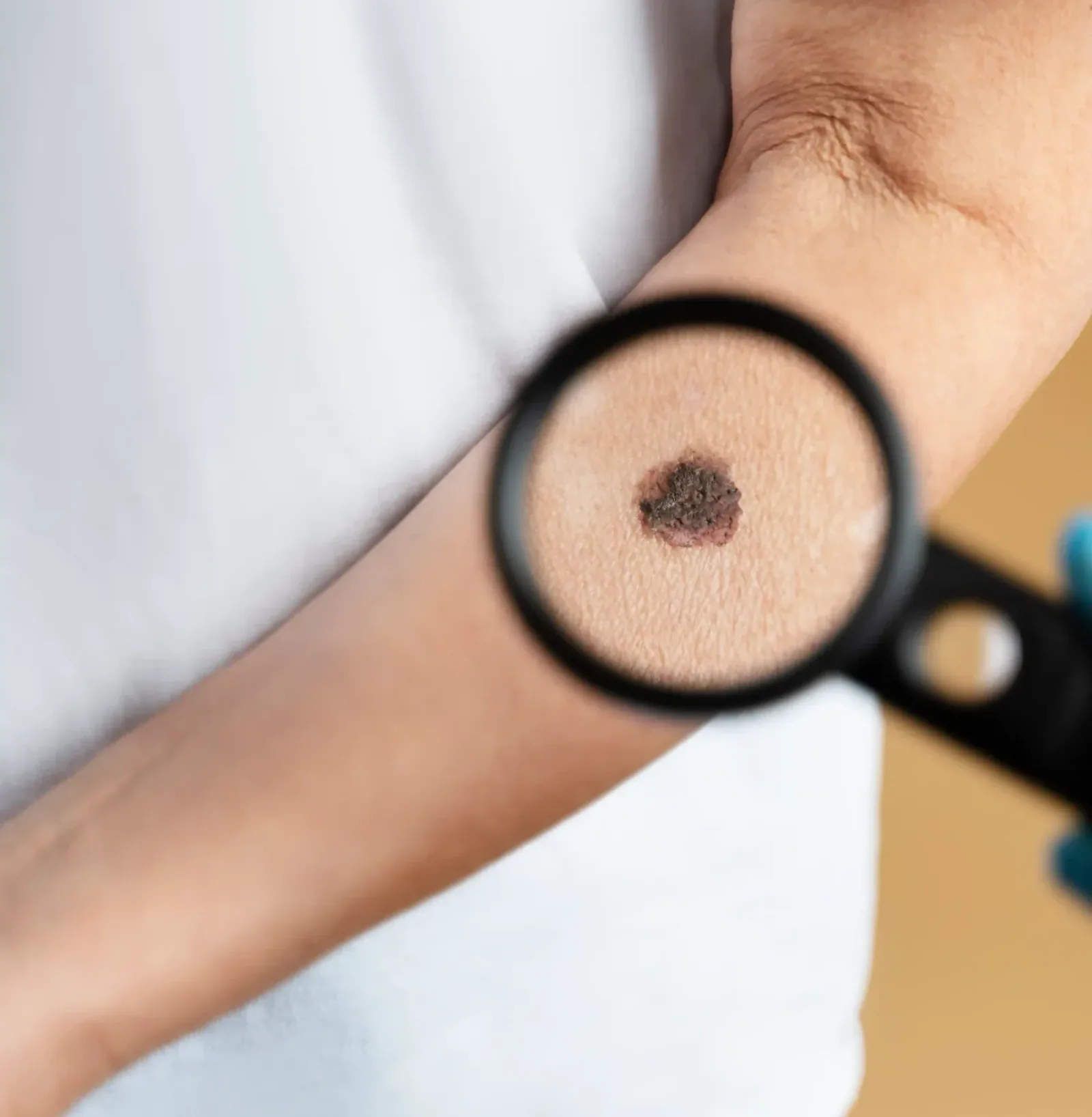
Apply the ABCDE rule (asymmetry, irregular border, multiple colors, diameter over 6mm, evolving over time). If any apply, schedule a mole evaluation at our Forest Hills office. Schedule a mole evaluation
If you have a sore that does not heal, what should you do?
Schedule a prompt skin evaluation. Sores that fail to heal or spots that bleed without injury can be early signs of skin cancer and benefit from quick assessment. Request an urgent evaluation
If you have a family history of skin cancer, how often to screen?
Annual full-body skin cancer screenings are recommended. Some patients with multiple risk factors may benefit from screenings every 6 months. Schedule your annual skin check
If you have fair skin, many moles, or sunburn history, how often to screen?
Annual full-body screenings are recommended. Dr. Paltiel will assess your individual risk profile and may suggest a more frequent cadence. Monthly self-examinations at home are encouraged between visits.
If you have had a prior skin cancer diagnosis, what is the recommended screening frequency?
Screenings every 6 months are typical for patients with prior skin cancer, with full-body checks and dermoscopy. Your specific cadence depends on cancer type and treatment history.
If you have an unusual growth and want it evaluated quickly, what should you do?
A quick visual exam plus dermoscopy often clarifies concern in one visit. If a biopsy is needed, pathology returns in 1 to 2 weeks. Schedule a skin evaluation
If you need skin cancer treatment, what options are available?
Options include excision, cryotherapy, topical medications, and photodynamic therapy. Treatment is selected at consultation based on diagnosis; Mohs surgery is coordinated with a fellowship-trained Mohs surgeon when indicated.This information is provided for educational purposes and is not a substitute for professional medical advice, diagnosis, or treatment. If you have concerns about a mole or skin lesion, please schedule a consultation with our team.Medically reviewed by Dr. Michael Paltiel, MD, Board-Certified Dermatologist | 17+ Years Experience | Last Updated: September 2026
What a real skin check covers
A screening here is a full head-to-toe exam. Dr. Paltiel examines your skin from scalp to soles and uses dermoscopy to see beneath the surface of anything that looks off, and biopsies on the spot when something warrants it. If a spot needs to come off, you hear what it is, what removal involves, and what it costs before anything happens, and our staff checks your insurance coverage first. If you came in asking for a full skin check, you get one.
“He did a comprehensive full body exam and painlessly removed some potentially dangerous growths. I'm happy to have found a good Queens dermatologist.”
Skin Cancer Screening & Treatment at Adult and Pediatric Dermatology
About 1 in 5 US residents will develop skin cancer during their lifetime. Caught early, most skin cancers are highly treatable. At Adult and Pediatric Dermatology in the Forest Hills neighborhood of Queens, New York, board-certified dermatologist Dr. Michael Paltiel and the medical team diagnose and treat basal cell carcinoma, squamous cell carcinoma, melanoma, and precancerous lesions such as actinic keratoses. Call the office today or use the online booking feature to schedule your visit.
What is skin cancer?
Skin cancer is a group of diseases that cause your skin cells to divide uncontrollably. It typically occurs due to excessive exposure to sunlight. But it can also develop on areas of your body rarely exposed to the sun’s UV rays.
There’s no way to entirely prevent skin cancer. But you can significantly lower your risk by regularly inspecting your skin and wearing sunscreen when you go outside.
Get your skin checked
Schedule your skin check today and let our team catch anything concerning early.
Skin Cancer Patient Reviews from Forest Hills
“I had some skin cancer removed & it was quick & painless. Scar is healing beautifully.”
Most Major Insurances Accepted
Please call our office if you do not see your insurance plan listed below. If your insurance plan requires you to obtain a referral from your primary care doctor, please obtain one prior to your visit or call our office to ask if a referral or authorization is needed for your insurance. If referral is not available at the time of the visit, your appointment will be rescheduled.
- 1199 National Benefit Fund
- Aetna
- Cigna
- Coventry
- Empire Plan
- Fidelis
- First Health
- HealthFirst
- Medicare
- Oxford
- Tricare East
- United Healthcare
Who is at risk of skin cancer?
Anyone can experience skin cancer, but several things can increase your risk, including:
Having fair skin
History of sunburns
Excessive sun exposure
Moles
Precancerous skin lesions
Family history of skin cancer
Weakened immune system
You’re at greater risk of developing skin cancer if your job exposes you to toxic chemicals like arsenic.
How is skin cancer diagnosed?
To diagnose skin cancer, our provider will review your medical history and ask about your symptoms, including when they first started and if at-home treatments provide any relief.
Next, they examine your skin from head to toe, carefully assessing any abnormal growths, moles, or lesions. If an exam doesn’t provide enough insight into your symptoms, your provider might also collect a skin biopsy. To do that, they remove a small sample of your skin and send it to a lab for microscopic analysis.

How is skin cancer treated?
At Adult and Pediatric Dermatology, treating skin cancer varies depending on several things, including the size, kind, and site of your cancerous lesions. The team might recommend:
Cryotherapy (freezing)
Excisional surgery
Mohs surgery
Curettage and electrodessication
Radiation therapy
Chemotherapy
Photodynamic therapy
Biological therapy
The treatment goal is to stop the cancerous cells from spreading and prevent a recurrence.
If you’re concerned about your risk of skin cancer, make an appointment at Adult and Pediatric Dermatology by calling the office or clicking the online booking feature today.
This information is provided for educational purposes and is not a substitute for professional medical advice, diagnosis, or treatment. Please schedule a consultation with our team to discuss your individual needs.
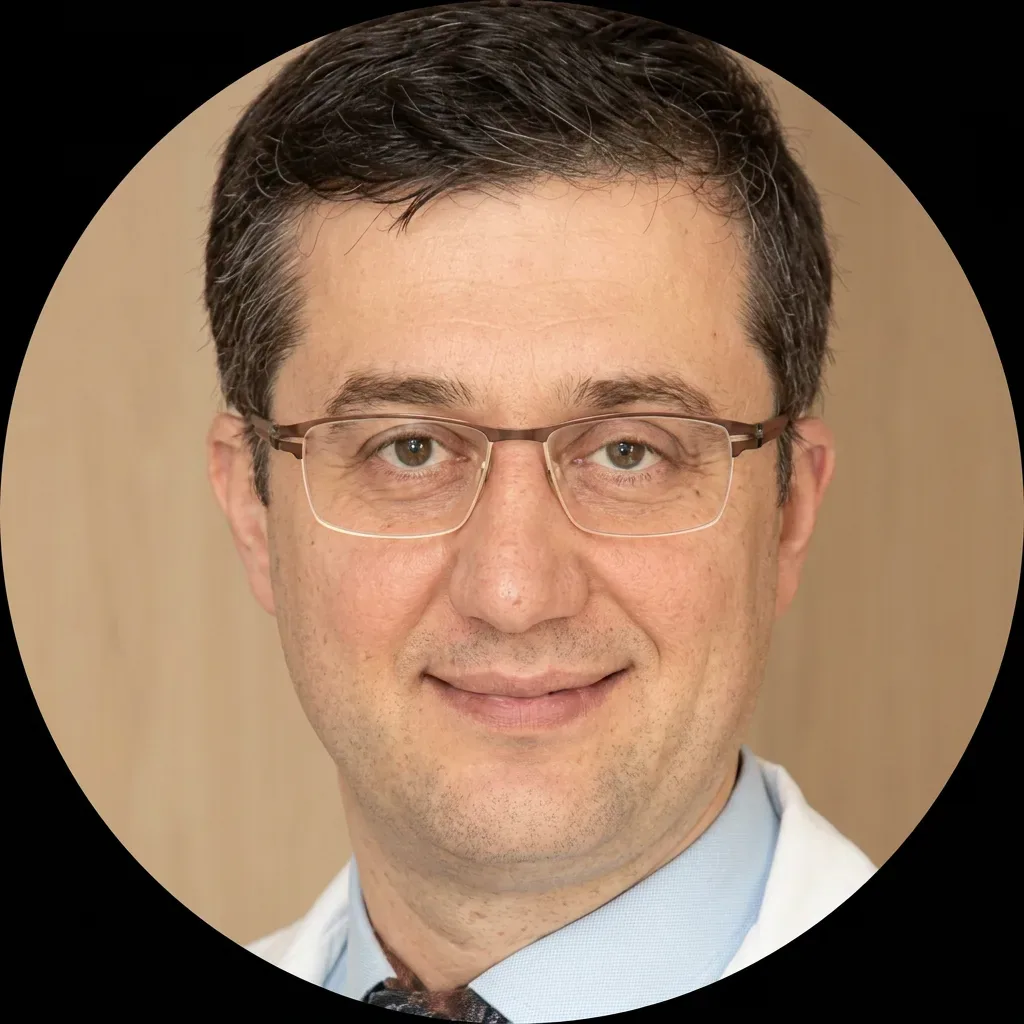
Meet Your Forest Hills Skin Cancer Specialist
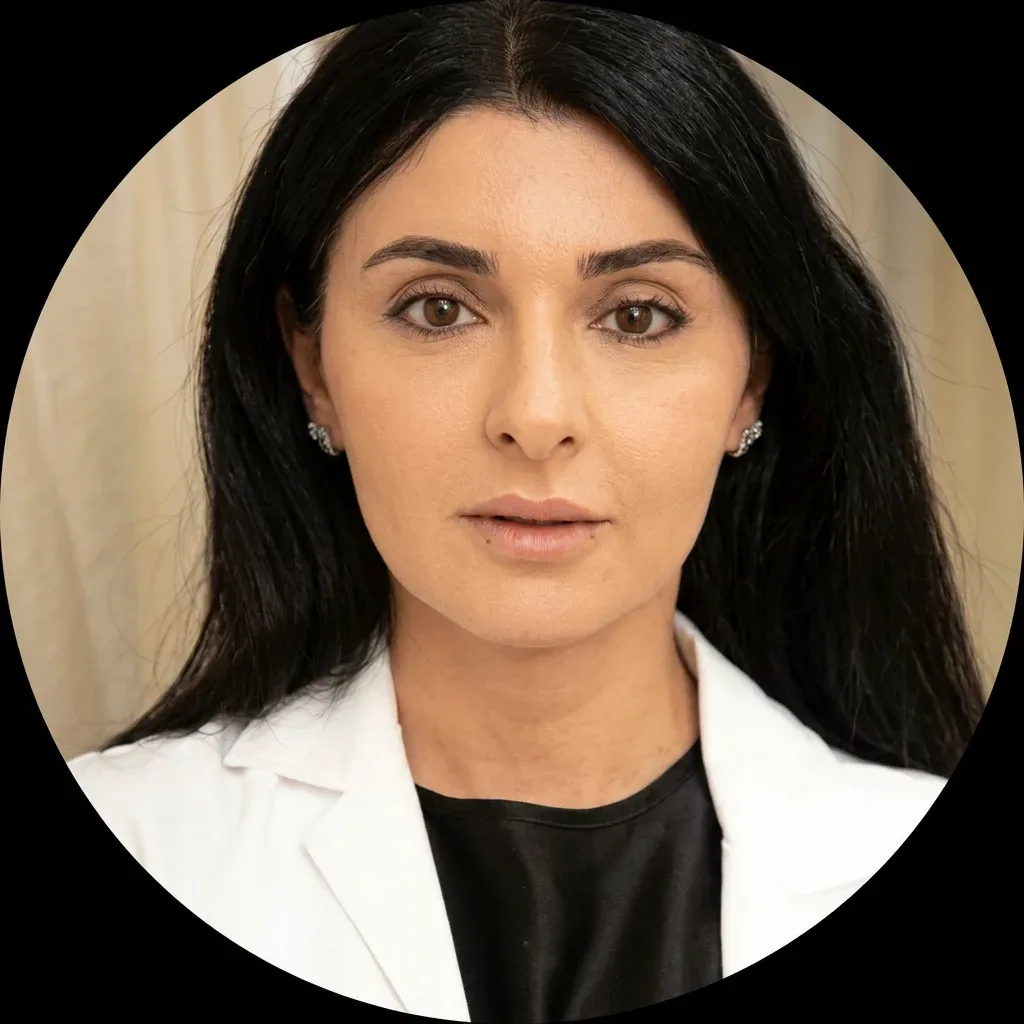
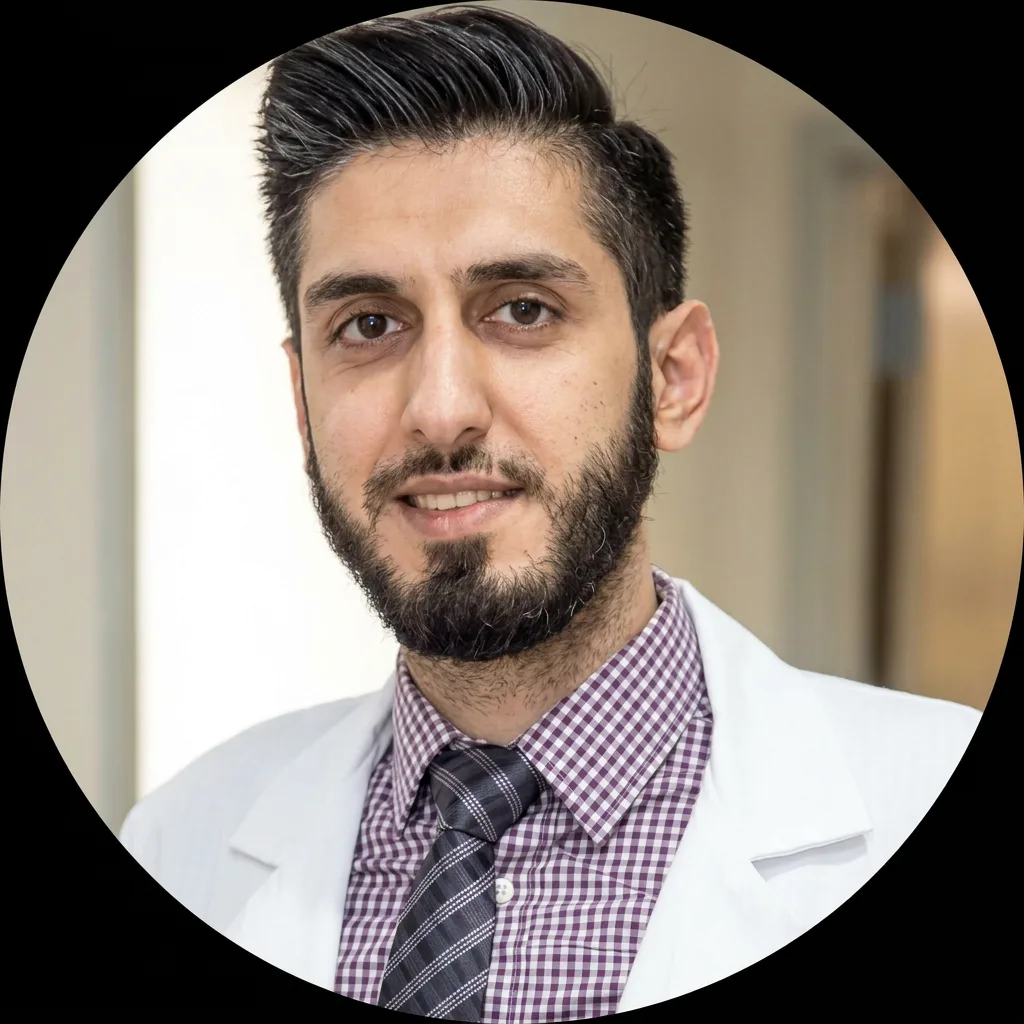
Skin cancer care led by board-certified dermatologist Dr. Michael Paltiel, with the Adult and Pediatric Dermatology team.
Frequently Asked Questions About Skin Cancer
Schedule Your Consultation in Forest Hills, Queens
Call our Forest Hills office at 718-896-3376 or book your appointment online today.
Adult & Pediatric Dermatology has treated children and adults as a dermatologist in Forest Hills, Queens since 2008, with Sunday hours and most major insurances accepted.
This information is provided for educational purposes and is not a substitute for professional medical advice, diagnosis, or treatment. Please schedule a consultation with our team to discuss your individual needs.