

Hyperhidrosis Treatment in Forest Hills, Queens
Quick Facts About Hyperhidrosis Treatment in Forest Hills
Here's what patients should know before booking a visit.
Practice Lead
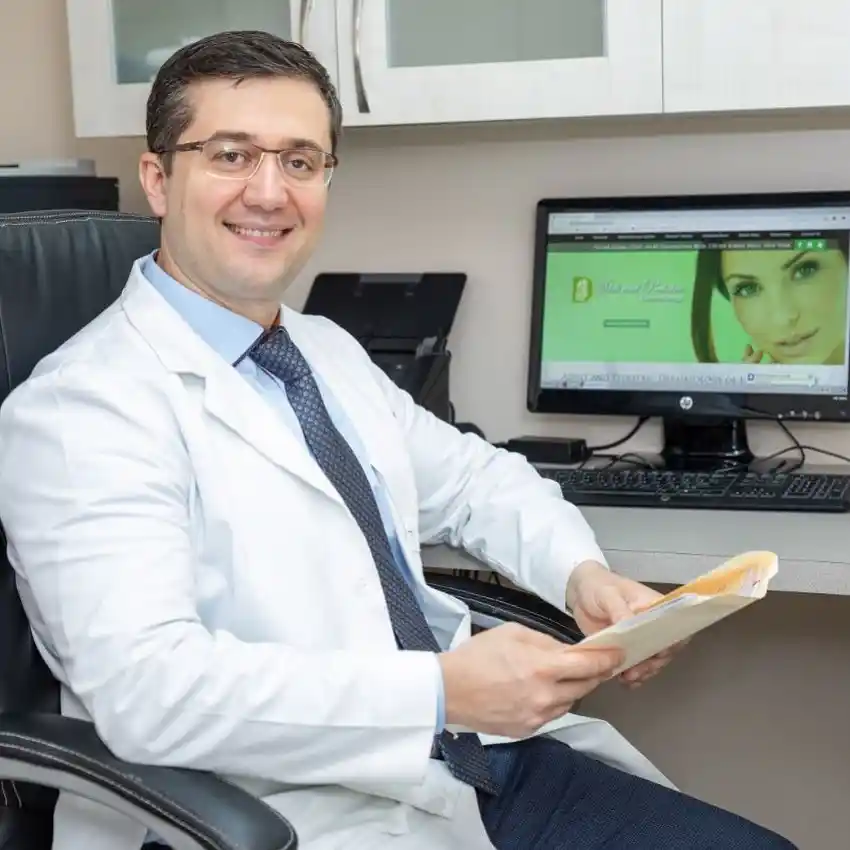
Dr. Michael Paltiel, MD Board-Certified Dermatologist
Areas Treated
Underarms, palms, soles, face, scalp
Patient Ages
Teens and adults
Treatments Offered
Prescription antiperspirants, oral medications, Botox injections, iontophoresis referrals
Insurance
Many plans cover Botox for diagnosed hyperhidrosis after standard therapy fails
Location
Forest Hills, Queens, NY (call 718.896.3376 or book online)
Which Hyperhidrosis Concern Is Yours?
Find the answer that fits your situation, then bring it to your visit.
I sweat through shirts even in cool weather. What treatments work for underarm sweating?
Prescription antiperspirants, oral medications, or Botox injections all reduce underarm sweat. The team selects based on severity and prior treatment response.
My hands sweat so much they slip on objects. Is there a long-term fix?
Palmar hyperhidrosis responds to iontophoresis, prescription topicals, or Botox. The team explains tradeoffs and coordinates referrals when needed.
How long does Botox last for hyperhidrosis?
Botox treatment for hyperhidrosis typically lasts 4 to 6 months. The team schedules maintenance visits to keep results consistent.
Is hyperhidrosis a sign of an underlying condition?
It can be. The team evaluates whether hyperhidrosis is primary (genetic) or secondary to thyroid, medication, or other causes, and coordinates further workup if needed.
Will insurance cover Botox for excessive sweating?
Many major plans cover Botox for hyperhidrosis when standard topical therapy has failed. The team handles pre-authorization at booking.Educational information only. Schedule a consultation with a board-certified dermatologist for diagnosis and treatment options personalized to you.Medically reviewed by Dr. Michael Paltiel, MD, Board-Certified Dermatologist | 17+ Years Experience | Last Updated: May 2026
You don't have to live with excessive sweating
Hyperhidrosis, or excessive sweating, can be embarrassing, but you do not have to live with it. At Adult and Pediatric Dermatology in Forest Hills, board-certified dermatologist Dr. Michael Paltiel and the team offer several treatments to reduce sweating and give you back your confidence.
What Is Hyperhidrosis?
Hyperhidrosis is a sweating disorder that causes you to sweat more than most people. The excessive sweating might not be linked with exercise or heat. Sweating can be so excessive that it drips off of your hands and soaks through your clothes.
Heavy sweating can affect your social life and cause general embarrassment. Fortunately, treatment helps you sweat less during normal everyday activities.
Get your sweating under control
Schedule today and let our team match the right treatment to where and how much you sweat.

What Are The Symptoms Of Hyperhidrosis?
Common symptoms of hyperhidrosis include:
Sweating that soaks through your clothes
Excessive armpit sweat
Excessive sweating in your hands or feet
Sweat that drips off of your face
Hyperhidrosis happens at least once weekly during the times you’re awake, and it often occurs on both sides of your body. Complications that can develop because of hyperhidrosis include infections and social and emotional struggles.
Read Our Reviews
"Great experience with the NP will definitely come back!"
Shelly Manahimov"Highly recommend. Excellent care. Courteous and competent staff."
Thomas Turberville"It does not get better than the doctors and staff here. Polite, caring, comforting, and down right top notch professional. If you want to love a doctor's visit, this place is for you."
Darrell GilbertWhat are the risk factors for hyperhidrosis?
If you have hyperhidrosis, nerves involved in sweat signaling become overactive. Risk factors for hyperhidrosis include:
Family history of hyperhidrosis
Menopause
Hot flashes
Low blood sugar
Diabetes
Thyroid disorders
Heart attack
Some cancers
Infections
Nervous system disorders
Opioid withdrawal
Use of some medications
How does my doctor diagnose hyperhidrosis?

Hyperhidrosis Treatment Options
Treatment for hyperhidrosis depends on the severity of your sweating, which areas are affected, and how your condition responds to initial therapies. Dr. Paltiel develops a personalized treatment plan for each patient, starting with the least invasive options and adjusting based on your results.
Prescription-Strength Antiperspirants For mild to moderate hyperhidrosis, the first line of treatment is typically a prescription antiperspirant containing aluminum chloride. These products are stronger than anything available over the counter and work by temporarily blocking sweat ducts.
Oral Medications When topical treatments are not enough, oral anticholinergic medications such as glycopyrrolate or oxybutynin can reduce sweating throughout the body. These medications work by blocking the chemical signals that activate sweat glands.
Botox Injections for Sweating For patients with moderate to severe hyperhidrosis, Botox injections are one of the most effective treatments available. Botox is FDA-approved for underarm sweating and is also used off-label for the palms, soles of the feet, and forehead. Results typically last 4 to 6 months.
Iontophoresis Iontophoresis uses a low-level electrical current delivered through water to reduce sweating in the hands and feet. Sessions are typically 20 to 30 minutes and are repeated several times per week initially, then tapered to a maintenance schedule.
What to Expect from Botox Treatment for Hyperhidrosis
Botox (onabotulinumtoxinA) received FDA approval for the treatment of severe underarm sweating in 2004, and it remains one of the most reliable options for patients who have not responded to topical treatments or oral medications.
The Procedure During your appointment, Dr. Paltiel uses a fine needle to administer small injections of Botox into the affected area. For underarm treatment, approximately 50 units are injected per side across a grid pattern covering the sweating zone. The entire procedure takes about 15 to 20 minutes. Most patients describe the sensation as a series of small pinches.
Treatment Areas At our Forest Hills office, we administer Botox for sweating in the underarms (axillary hyperhidrosis), palms (palmar hyperhidrosis), soles of the feet (plantar hyperhidrosis), and the forehead. Underarm treatments are the most common and tend to produce the most consistent results.
Results and Maintenance Most patients see a noticeable decrease in sweating within 2 to 4 days of their injections, with maximum dryness reached by the two-week mark. Results last an average of 4 to 6 months, though some patients report relief for up to 9 months. Many patients find that their results last longer after several rounds of treatment.
What Results Can You Expect
The timeline for improvement depends on the treatment you receive. Prescription antiperspirants may begin reducing sweating within the first week or two of consistent use. Oral medications typically take effect within one to two hours of each dose.
For Botox treatments, most patients notice a meaningful reduction in sweating within 2 to 4 days, with the full effect reaching its peak at about two weeks. Results from Botox typically last 4 to 6 months. Dr. Paltiel schedules a follow-up visit 2 to 3 weeks after your first injection to assess your response and make adjustments if needed. Maintenance treatments are scheduled before your sweating returns to its baseline level.
Your Hyperhidrosis Specialist in Queens
Hyperhidrosis treatment at Adult and Pediatric Dermatology is provided by Dr. Michael Paltiel, MD, a board-certified dermatologist and the practice's Founder and Medical Director. Dr. Paltiel earned his medical degree from Johns Hopkins and completed his dermatology residency at the University of Maryland Medical Center. He is certified by the American Board of Dermatology and has extensive experience treating hyperhidrosis with both medical therapies and Botox injections. Every treatment plan is tailored to the individual patient's sweating pattern, severity, and lifestyle.
Most Major Insurances Accepted
Please call our office if you do not see your insurance plan listed below. If your insurance plan requires you to obtain a referral from your primary care doctor, please obtain one prior to your visit or call our office to ask if a referral or authorization is needed for your insurance. If referral is not available at the time of the visit, your appointment will be rescheduled.

- 1199 National Benefit Fund
- Aetna
- Cigna
- Coventry
- Empire Plan
- Fidelis
- First Health
- HealthFirst
- Medicare
- Oxford
- Tricare East
- United Healthcare
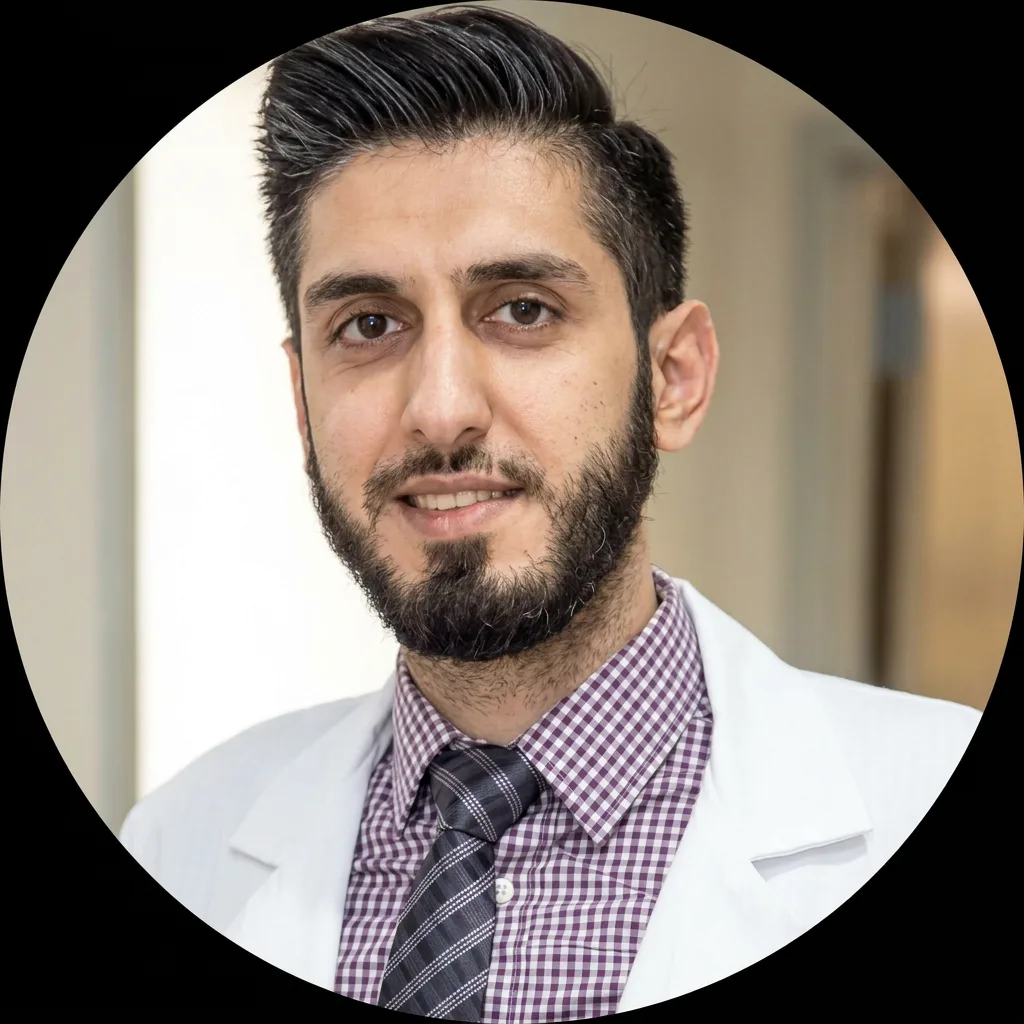
Meet Your Forest Hills Hyperhidrosis Specialist
Meet our team of board-certified specialists dedicated to your skin health and beauty



How is hyperhidrosis treated?
The Adult and Pediatric Dermatology team personalizes your hyperhidrosis treatment based on its severity and your preferences. They can recommend:
Lifestyle changes
Prescription creams
Prescription antiperspirants
Nerve-blocking medications
Some oral medications
Botulinum toxin injections
Antidepressant medications
Microwave therapy
Nerve surgery
Sweat gland removal
Some hyperhidrosis solutions require several treatment sessions to give you the most effective, long-lasting results. Your provider could recommend more than one of these treatments.
Over time, you can expect less sweating and a better quality of life. If you have hyperhidrosis and want relief from excessive sweating, call the Adult and Pediatric Dermatology office today or schedule an appointment online.

Frequently Asked Questions About Hyperhidrosis
Schedule Your Consultation in Forest Hills, Queens
Call our Forest Hills office at 718-896-3376 or book your appointment online today.
Adult & Pediatric Dermatology has treated children and adults as a dermatologist in Forest Hills, Queens since 2008, with Sunday hours and most major insurances accepted.
This information is provided for educational purposes and is not a substitute for professional medical advice, diagnosis, or treatment. Please schedule a consultation with our team to discuss your individual needs.