
Smooth Skin Starts With Wart Removal in Queens
Warts are benign skin growths caused by the human papillomavirus (HPV), which infects the outer layer of skin through cuts, abrasions, or direct contact. Common types include common warts, plantar warts (on the feet), flat warts, and filiform warts. While warts are not medically dangerous, they can be uncomfortable, persistent, and cosmetically bothersome. At Adult & Pediatric Dermatology in Forest Hills, Queens, Dr. Michael Paltiel offers effective wart removal treatments including cryotherapy (liquid nitrogen), topical medications, laser therapy, and excision. Treatment approach is selected based on wart type, location, and the patient’s age and overall health.
Gentle Treatment Options in Forest Hills
Warts
Warts are a common skin problem, affecting 33% of children and teenagers and 3-5% of adults. If you have one or more warts affecting your quality of life, don’t wait to seek professional help. At Adult and Pediatric Dermatology in the Forest Hills neighborhood of Queens, New York, the team of medical dermatologists specializes in diagnosing and treating warts. Call the office today or click the online booking feature to make an appointment at the practice.
What are warts?
Warts are small, skin-colored growths that form on your hands, fingers, and/or feet. They’re caused by the human papillomavirus (HPV).
Warts affect people of all ages, but they’re especially common in children and teenagers. Most warts go away on their own, but if yours are painful or make you feel self-conscious, make an appointment with the Adult and Pediatric Dermatology team.
Start Your Transformation
Schedule your consultation today and discover how our expert team can help you achieve your aesthetic and skin health goals.
What are the symptoms
of warts?
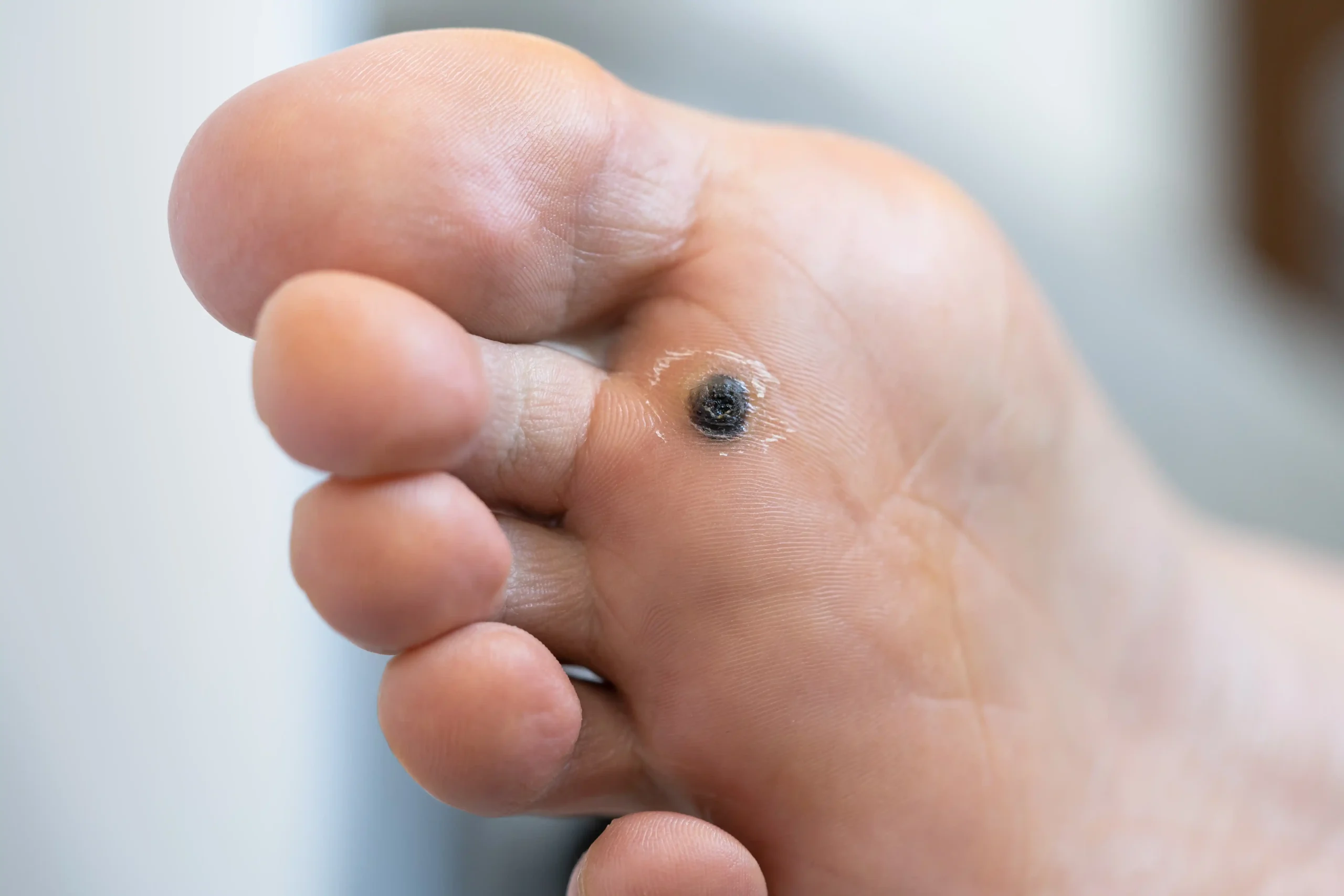
Most warts are visible to the eye. They’re small, flesh-colored growths that are rough to the touch. Many warts have a black spot in the middle called the “seed.” The seed is a group of clotted blood vessels.
Read Our Reviews
Posted on

When should I see a
dermatologist about warts?
Make an appointment with the Adult and Pediatric Dermatology team if your warts:
- Change color
- Return after at-home treatment
- Keep you from work or other activities
- Grow rapidly or are painful
Can warts be prevented?
You can do several things to significantly reduce your risk of developing warts. The Adult and Pediatric Dermatology team recommends:
- Avoiding direct contact with warts
- Not picking at or scratching your warts
- Avoiding bad habits like biting your fingernails
- Not sharing nail clippers, emery boards, or nail files with others
Most Major
Insurances Accepted
Most Major Insurances Accepted
Please call our office if you do not see your insurance plan listed below. If your insurance plan requires you to obtain a referral from your primary care doctor, please obtain one prior to your visit or call our office to ask if a referral or authorization is needed for your insurance. If referral is not available at the time of the visit, your appointment will be rescheduled.

How are warts treated?
- Prescription peeling medication (salicylic acid)
- Cryotherapy
- Minor surgery
- Laser treatment
If you have a weakened immune system or diabetes, the team might recommend a combination of treatments to reduce your risk of developing an infection.
To receive treatment for warts, make an appointment today at Adult and Pediatric Dermatology by calling the office or clicking the online booking feature.
Frequently Asked Questions About Wart Treatment
Are warts contagious?
Yes. Warts are caused by strains of the human papillomavirus (HPV) and can spread through direct skin-to-skin contact or contact with surfaces that an infected person has touched. Warts are more likely to spread when the skin is broken, wet, or damaged. Sharing towels, razors, or walking barefoot in public areas like locker rooms and swimming pools increases the risk of transmission.
Will warts go away on their own?
Some warts, particularly in children, resolve spontaneously as the immune system clears the HPV infection – this can take 1 to 2 years or longer. However, warts that are painful, spreading, multiplying, or in cosmetically sensitive areas generally benefit from professional treatment. Waiting for spontaneous resolution carries the risk of spreading the virus to other areas of skin or to other people.
What is cryotherapy and how does it treat warts?
Cryotherapy involves the application of liquid nitrogen (at approximately -196°C) to the wart tissue, causing it to freeze and die. After treatment, a blister forms and the dead tissue sloughs off over 1 to 2 weeks. Multiple sessions spaced 2 to 4 weeks apart are often needed for complete clearance. Cryotherapy is one of the most commonly used and effective first-line treatments for common and plantar warts.
Can warts come back after treatment?
Recurrence is possible because wart treatments destroy the visible wart but do not eliminate the underlying HPV virus from the skin. The immune system must ultimately clear the virus. Recurrence rates vary by treatment method and patient immune status. Multiple treatment sessions and good hygiene practices can reduce recurrence risk. Patients with compromised immune systems may be more prone to recurrent or persistent warts.
Should I try over-the-counter treatments before seeing a dermatologist?
Over-the-counter treatments containing salicylic acid can be effective for small, common warts and are appropriate as a first step. However, if the wart is large, painful, located on the face or genitals, not responding to OTC treatment after 2 to 3 months, or spreading, evaluation by a board-certified dermatologist is recommended. Professional treatments are significantly more effective for resistant or complex warts.
Choose Your Provider
Meet our team of board-certified specialists dedicated to your skin health and beauty
Michael Paltiel,MD
Dermatology
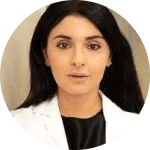
Zina Goldvekht, PA-C
Physician Assistant
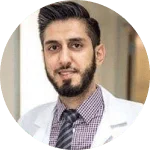
Aleksey Babakhanov, FNP
Family Nurse Practitioner

John Perrotti, MD
Plastic Surgery

Irma Meni
Cosmetologist