


Soothe and Clear Skin With Psoriasis Care In Queens

Psoriasis is a chronic autoimmune skin condition that causes the skin cell life cycle to speed up dramatically, resulting in thick, scaly patches of skin that can be red, itchy, and painful. It affects approximately 7.5 million Americans and can appear on the scalp, elbows, knees, lower back, and other areas. At Adult & Pediatric Dermatology in Forest Hills, Queens, Dr. Michael Paltiel creates individualized psoriasis management plans that may include topical treatments, phototherapy, and systemic or biologic medications depending on disease severity. While psoriasis has no cure, the right treatment strategy can achieve long-term remission and significantly reduce symptoms.

Ongoing Support for Flare-Ups in Forest Hills

Psoriasis

It’s estimated that more than 8 million Americans have psoriasis. Though there’s no cure, with early diagnosis and treatment, it’s possible to reduce the uncomfortable symptoms of psoriasis and manage flare-ups. At Adult and Pediatric Dermatology in the Forest Hills neighborhood of Queens, New York, the team of medical dermatologists provides complete psoriasis care to people of all ages. Call the office today or click the online booking feature to make an appointment at the practice.

What is psoriasis?

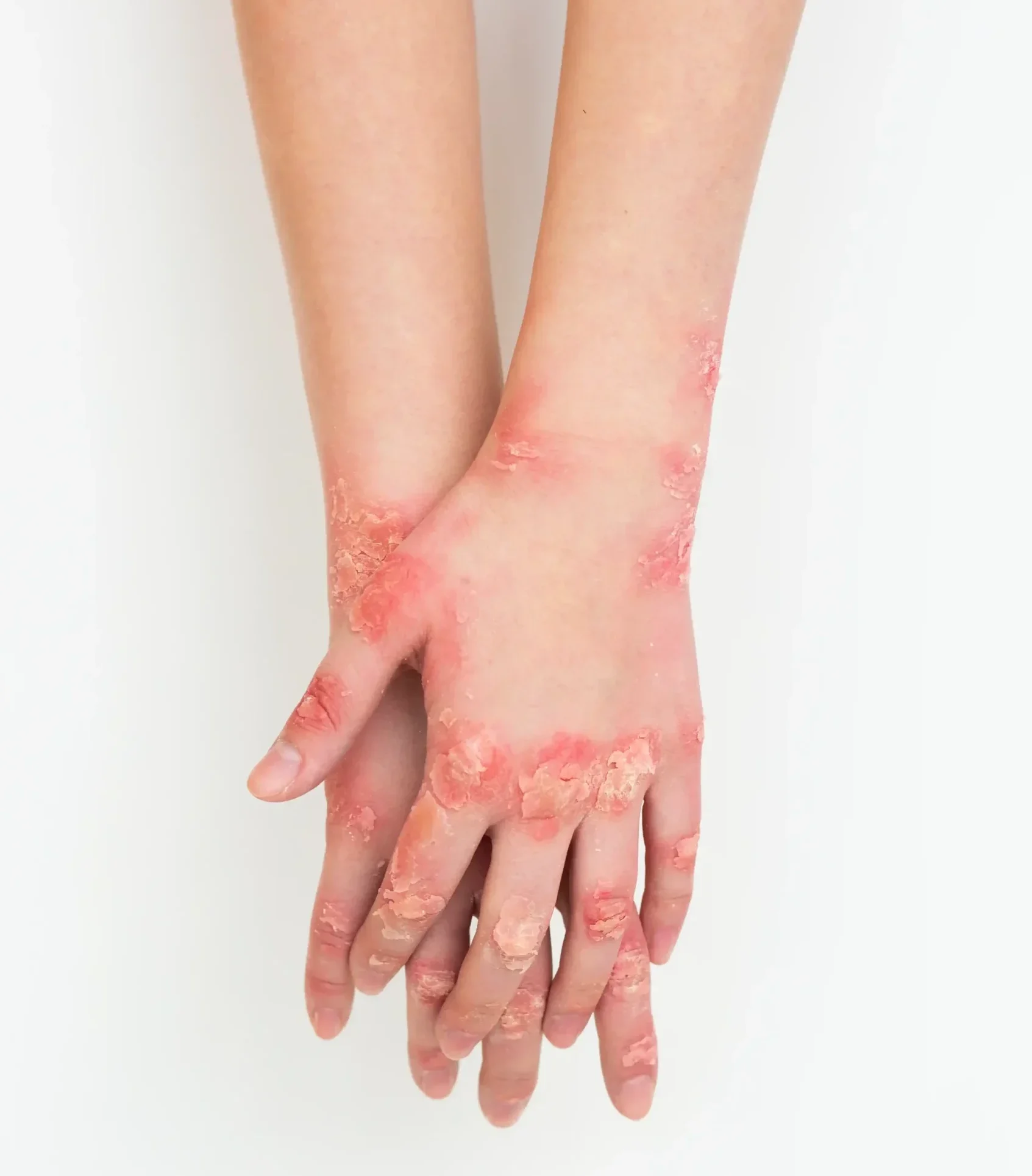
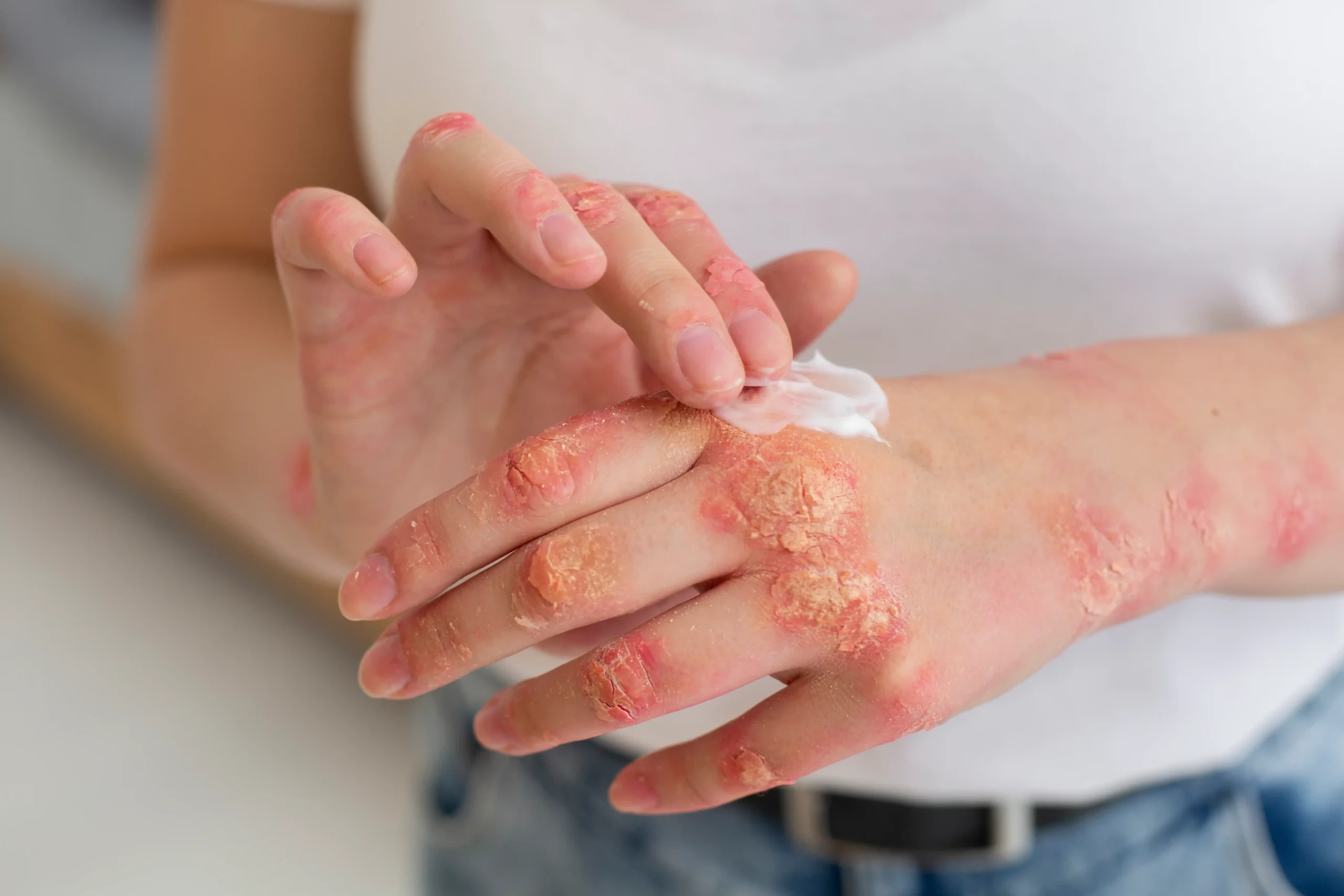
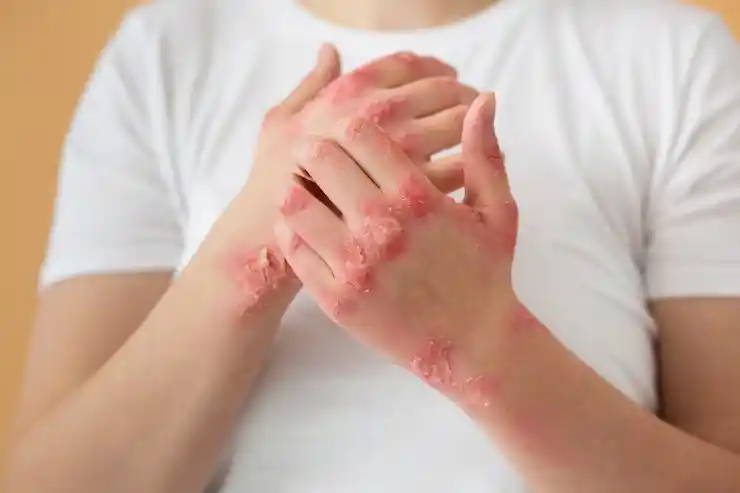
Psoriasis is a chronic skin disease. It’s characterized by red, scaly patches that develop on your knees, elbows, torso, and/or scalp. Anyone can experience psoriasis, but it tends to run in families. As a result, you’re more likely to develop psoriasis if your parents or siblings have it.

Start Your Transformation

Schedule your consultation today and discover how our expert team can help you achieve your aesthetic and skin health goals.

Read Our Reviews​

What are the
symptoms of psoriasis?

Symptoms of psoriasis include:

  • Red, scaly patches of skin
  • Dry, cracked skin that bleeds and/or itches
  • Itching, burning, and soreness
  • Thick or ridged nails
  • Swollen and stiff joints

If you have psoriasis, symptoms often come and go. For example, you might feel pretty good for a few months and then experience a flare-up that lasts several weeks.

Most Major
Insurances Accepted

Most Major Insurances Accepted

Please call our office if you do not see your insurance plan listed below. If your insurance plan requires you to obtain a referral from your primary care doctor, please obtain one prior to your visit or call our office to ask if a referral or authorization is needed for your insurance. If referral is not available at the time of the visit, your appointment will be rescheduled.

When should I see a
dermatologist about psoriasis?

Make an appointment with the Adult and Pediatric Dermatology team if you regularly experience red, flaky, or itchy skin and it doesn’t respond to at-home treatments.

That’s especially true if your skin is painful, makes you feel self-conscious, or interferes with your ability to go to work and do other routine tasks.

What causes psoriasis?

Researchers aren’t entirely sure what causes psoriasis, but your immune system probably plays a role. For example, people with plaque psoriasis, the most common kind, have skin that regenerates faster than normal. This rapid turnover of cells results in patches of red, irritated skin.

Experts don’t know why psoriasis affects the immune system, but they believe genetics and environmental factors contribute.

Choose Your Provider

Meet our team of board-certified specialists dedicated to your skin health and beauty

Frequently Asked Questions About Psoriasis

Q: What is psoriasis?

A: Psoriasis is a chronic autoimmune condition that causes the rapid buildup of skin cells, leading to thick, red, scaly patches on the skin. It commonly appears on the elbows, knees, scalp, and lower back, but can affect any part of the body.

Q: Is psoriasis contagious?

A: No, psoriasis is not contagious. It is an autoimmune condition and cannot be transmitted through touch or close contact with someone who has it.

Q: What causes psoriasis to flare up?

A: Psoriasis flare-ups can be triggered by stress, infections, cold or dry weather, certain medications, skin injuries, and alcohol or tobacco use. Working with your dermatologist to identify your triggers can help reduce the frequency and severity of flare-ups.

Q: What treatment options are available for psoriasis?

A: Treatments range from topical creams and phototherapy (light therapy) to systemic medications and biologic drugs for moderate to severe cases. Your dermatologist will tailor a treatment plan to the type and severity of your psoriasis.

Q: Can psoriasis affect areas other than the skin?

A: Yes, psoriasis is associated with psoriatic arthritis, a condition that causes joint pain and stiffness. It is also linked to an increased risk of cardiovascular disease and metabolic conditions. Regular monitoring by your dermatologist is important.

Q: Does psoriasis go away on its own?

A: Psoriasis is a chronic condition that typically requires ongoing management. While symptoms may improve or go into remission for periods of time, the condition usually returns. Consistent treatment helps keep symptoms under control.

How is psoriasis treated?

Treating psoriasis depends on many things, including how severe your symptoms are, what kind of psoriasis you have, and the disease’s effect on your quality of life. Our board-certified dermatologist might recommend:

  • Topical corticosteroids
  • Vitamin D analogs
  • Retinoids
  • Calcineurin inhibitors (drugs that reduce inflammation and plaque buildup)
  • Salicylic acid (reduces scaling)
  • Coal tar (reduces scaling, itching, and inflammation)
  • Light therapy
  • Oral or injected steroids

Psoriasis treatment works to relieve uncomfortable symptoms and prevents your skin cells from multiplying so rapidly.

To learn more about treatments for psoriasis, make an appointment at Adult and Pediatric Dermatology today by calling the office or using the online booking feature.

ADA Accessible

Network Insurances