
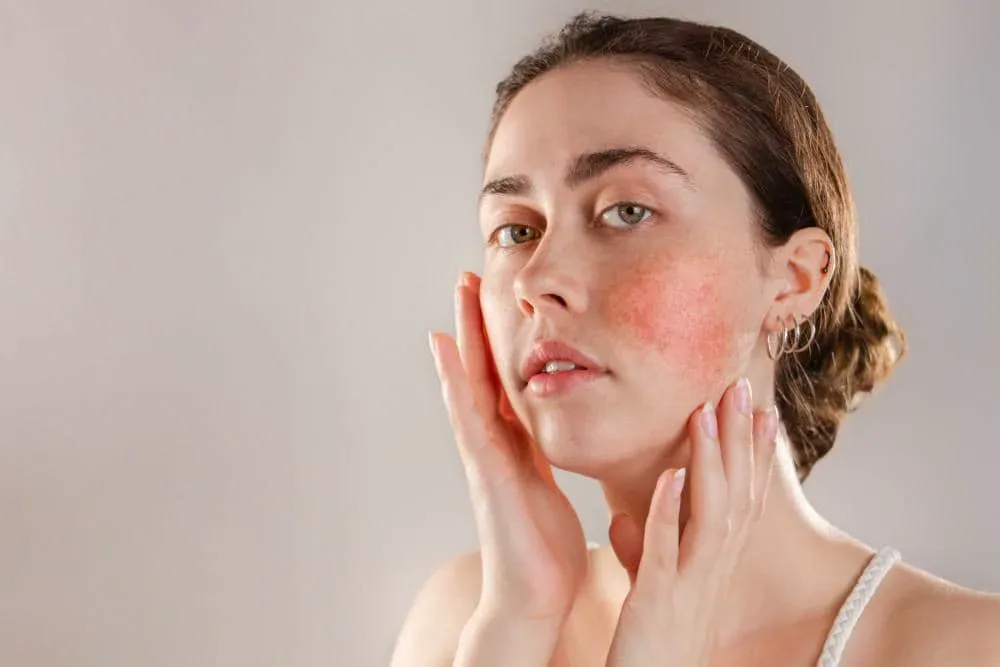
Best Face Masks for Rosacea: A Dermatologist's Guide to Calming Skincare and Avoiding Triggers
Medically reviewed by Dr. Michael Paltiel, MD, Board-Certified Dermatologist | Last Updated: September 2026
The best face masks for rosacea share three traits: fragrance-free, no exfoliating acids, and calming anti-inflammatory actives like niacinamide, centella asiatica, colloidal oat, ceramides, and hyaluronic acid. Use one once or twice a week, never daily, and patch-test for 48 hours first. Avoid clay, peel-off, warming, and anything with menthol, fragrance, or alcohol. If a surgical, N95, or CPAP mask is the problem, that is a separate friction-and-heat issue covered below.
The Three Traits That Make a Face Mask Safe for Rosacea
Rosacea is a chronic inflammatory condition with a weakened skin barrier. A mask sits on already-irritated skin for 10 to 20 minutes, so anything aggressive can start a flare. A rosacea-safe mask meets all three of these:
- Fragrance-free, including "naturally derived" essential oils such as lavender, peppermint, eucalyptus, and citrus
- No exfoliating acids or strong actives: no AHA, BHA, glycolic, salicylic, lactic, or retinol
- Calming, barrier-repair ingredients as the working actives, not surfactants or clay
If a mask fails even one of those three, it does not belong on a rosacea face. Price has nothing to do with it. Many of the cleanest rosacea-safe masks are drugstore products.
Best Mask Ingredients for Rosacea: Niacinamide, Centella, Oat, Ceramides, Hyaluronic Acid
Niacinamide
Niacinamide (vitamin B3) reduces redness, strengthens the skin barrier, and lowers the inflammatory response that drives rosacea flushing. Look for it in the top half of the ingredient list, usually at 2 to 5 percent.
Centella asiatica (cica)
Centella, often labeled "cica" on Korean skincare, is one of the most-studied calming actives for inflammatory skin. It reduces visible redness within hours and supports barrier repair.
Colloidal oat
Colloidal oat (avena sativa) is an FDA-recognized anti-itch, anti-inflammatory ingredient for sensitive-skin claims. Oat masks are among the safest options during an active flare.
Ceramides
Ceramides are the lipids that hold the skin barrier together, and rosacea skin is usually ceramide-depleted. A ceramide-rich mask restores the lipid layer and lowers transepidermal water loss, calming skin within a single application.
Hyaluronic acid
Hyaluronic acid is a humectant that pulls water into the skin without irritation. It is rosacea-safe at any concentration, and a simple fragrance-free HA sheet mask is one of the easiest places to start.
Ingredients to Avoid in a Face Mask When You Have Rosacea
- Menthol, peppermint, eucalyptus, camphor, mint: the "cooling tingle" is neuro-stimulation that triggers flushing
- Alcohol denat, SD alcohol, ethanol: strips lipids from an already-compromised barrier
- Fragrance, parfum, "essential oils": the single most common trigger ingredient
- AHA, BHA, glycolic, salicylic, lactic acid: chemical exfoliants damage the barrier
- Retinol, retinaldehyde, retinyl palmitate: too aggressive for active rosacea
- Witch hazel: an astringent that flares many rosacea patients
- Benzoyl peroxide: useful for some acne but usually too drying for rosacea
- Low-pH vitamin C (L-ascorbic acid): stinging is a red flag
The practical rule our dermatologists give rosacea patients is to read every label. Anything with menthol, peppermint, eucalyptus, alcohol, or fragrance can set off a flare. The mask does not have to be expensive. The plainer the ingredient list, the safer it usually is.
Is There a Clay Mask Safe for Rosacea? Why Kaolin and Charcoal Usually Flare the Skin
Searches for a "best clay mask for rosacea" are common, and the honest answer is that clay is one of the worst mask categories for this condition. Kaolin, bentonite, and charcoal masks absorb oil by pulling lipids and water out of the skin. On rosacea-prone skin that barrier is already thin, so the skin reacts with compensatory flushing as it tries to rehydrate, and the redness often looks worse after rinsing.
If oily or congested areas are the reason you want a clay mask, a fragrance-free cream or gel mask with niacinamide gives you oil control and redness relief without stripping the barrier. For a single inflamed papule, a plain hydrocolloid patch absorbs fluid with no actives at all. Reserve true clay masks for skin without a rosacea diagnosis.
Which Mask Types Work for Rosacea and Which Ones to Skip
| Mask type | Rosacea-safe? | Why |
|---|---|---|
| Cream or gel mask | Yes | Hydrating, no friction, no abrasive actives |
| Sheet mask (fragrance-free) | Yes | Cooling, occlusive seal aids absorption |
| Hydrocolloid spot patch | Yes, for individual papules | No actives, just absorbs fluid |
| Colloidal oat mask | Yes | Anti-inflammatory, gentle on sensitive skin |
| Clay, kaolin, charcoal | Avoid | Strips lipids, triggers compensatory flushing |
| Peel-off mask | Avoid | Mechanical irritation on removal |
| Warming or "heat-activated" | Avoid | Heat is a documented rosacea trigger |
| AHA / BHA / glycolic mask | Avoid | Acids damage a compromised barrier |
| Retinoid mask | Avoid | Too aggressive for rosacea-prone skin |
How to Apply a Face Mask When You Have Rosacea
- Patch-test for 48 hours on the jaw or behind the ear before full-face use. Stinging within the first 5 minutes is a fail.
- Apply to clean, freshly rinsed skin. Do not double-cleanse with anything stripping first.
- Leave on for 10 to 15 minutes maximum. Longer is not better, and letting a sheet mask dry out is a common mistake.
- Rinse with lukewarm water, never hot. Pat dry, do not rub.
- Layer a ceramide barrier-repair moisturizer on top to seal in hydration.
- Use it 1 to 2 times per week, not daily. Over-masking is a frequent cause of flares even with gentle ingredients.
Can a Surgical, N95, or CPAP Mask Trigger Rosacea? What the Survey Data Shows
Yes, and this is a different problem from skincare masks. A Galderma online survey of 220 rosacea patients in Germany and Canada (its #RosaceaUnmasked campaign, run December 2020 to January 2021) found that about 63 percent reported worse symptoms tied to mask wear, with 75 percent noticing more redness, 72 percent more pimples or pustules, and 53 percent more frequent flare-ups. CPAP users describe similar flushing and lasting redness on the cheeks and around the nose where the mask seals. The mechanism is a mix of friction, heat, occlusion, and humidity from exhaled breath, all four of which are documented rosacea triggers on their own.
What helps:
- Use a ceramide barrier-repair moisturizer under the mask. Apply, let it absorb for 5 minutes, then put the mask on.
- Switch to a softer mask material such as a cotton-lined or silk-blend cover where possible. Stiff polyester is the worst offender for friction.
- Wash mask straps separately with a fragrance-free detergent, since scented detergent on the strap is a hidden trigger.
- For CPAP: ask your sleep specialist about silicone-padded or gel-cushioned masks, and clean nightly with fragrance-free wipes.
- If the flare persists: a topical prescription such as metronidazole, ivermectin, or brimonidine usually controls it. See a board-certified dermatologist.
In practice, mask-related rosacea splits into two different problems. Either the patient is using the wrong skincare mask, or the skin is flaring under a physical mask such as a surgical, N95, or CPAP mask. The fix is different for each, so it helps to figure out which one you are dealing with before changing your routine.
When to See a Dermatologist Instead of Reaching for Another Mask
Over-the-counter masks help with mild rosacea, but they do not replace medical management. Book a visit when:
- Redness is constant rather than coming and going
- Visible blood vessels (telangiectasia) are forming on the cheeks or nose
- Persistent papules or pustules look like acne but are not responding to acne treatment (rosacea is often confused with acne and pustular conditions)
- Your eyes burn, water, or feel gritty (ocular rosacea is a separate subtype that needs treatment)
- Over-the-counter products burn or sting on contact
If you are also managing skin rashes and irritation or co-existing eczema-prone skin, our team can build a combined plan at the same visit at our Forest Hills office.
Frequently Asked Questions About Face Masks and Rosacea
Can people with rosacea use face masks?
Yes, with the right ingredients. Choose a fragrance-free, acid-free mask with calming actives like niacinamide, centella asiatica, colloidal oat, ceramides, or hyaluronic acid. Avoid clay, peel-off, warming, AHA, BHA, and retinoid masks, and anything with menthol, peppermint, eucalyptus, alcohol, or fragrance.
What is the best face mask for rosacea-prone skin?
The best mask for rosacea-prone skin is a fragrance-free, acid-free cream or sheet mask with niacinamide, centella, colloidal oat, or ceramides. Drugstore options work as well as luxury ones. The cleanest ingredient list matters more than the price.
What ingredients in face masks should rosacea patients avoid?
Menthol, peppermint, eucalyptus, camphor, alcohol, fragrance, witch hazel, AHA, BHA, glycolic acid, salicylic acid, retinol, and benzoyl peroxide. Low-pH vitamin C (L-ascorbic acid) often stings rosacea skin and should be approached carefully.
Is a clay mask safe for rosacea?
No. Clay, kaolin, and charcoal masks strip lipids from an already-compromised barrier and trigger compensatory flushing, so redness often looks worse after rinsing. A fragrance-free cream or gel mask with niacinamide is a better choice if you want oil control.
How often should I use a face mask if I have rosacea?
1 to 2 times per week is the maximum. Daily masking is a common cause of flares in rosacea patients because it disrupts the barrier even when the ingredients are gentle. Less is more.
Can a CPAP or surgical mask trigger rosacea?
Yes. Friction, heat, occlusion, and humidity from a surgical, N95, or CPAP mask are all documented rosacea triggers. Apply a ceramide barrier-repair moisturizer underneath, switch to a softer mask material if possible, and see a dermatologist if a topical prescription is needed to control persistent flushing.
Schedule Your Rosacea Consultation in Forest Hills
If masks, redness, or flare-ups are getting harder to manage on your own, the board-certified team at Adult & Pediatric Dermatology can confirm whether it is rosacea and build a treatment plan for your skin. Call our Forest Hills, Queens office at (718) 896-3376 or request an appointment online.
Sources
- Galderma, online survey (#RosaceaUnmasked / Face Up to Rosacea campaign, 220 respondents in Germany and Canada, Dec 2020 to Jan 2021) reporting the 63/75/72/53 percent mask-related figures: https://www.galderma.com/news/galderma-online-survey-reveals-almost-two-thirds-rosacea-patients-are-experiencing-worsening
- National Rosacea Society, Study Finds Masks Make Matters Worse for Rosacea: https://www.rosacea.org/rosacea-review/2021/spring/study-finds-masks-make-matters-worse-for-rosacea
- American Academy of Dermatology, Rosacea overview: https://www.aad.org/public/diseases/rosacea
- Dermatology Times, Study: Mask Usage Worsens Rosacea: https://www.dermatologytimes.com/view/study-mask-usage-worsens-rosacea
Medically reviewed by Dr. Michael Paltiel, MD
Board-certified dermatologist at Adult and Pediatric Dermatology in Forest Hills, Queens, treating medical, surgical, and cosmetic skin conditions for adults and children.
Related Treatments
Questions About Your Skin? We Can Help.
Schedule a consultation with our board-certified team at our Forest Hills, Queens office.
This information is provided for educational purposes and is not a substitute for professional medical advice, diagnosis, or treatment. Please schedule a consultation with our team to discuss your individual needs.