
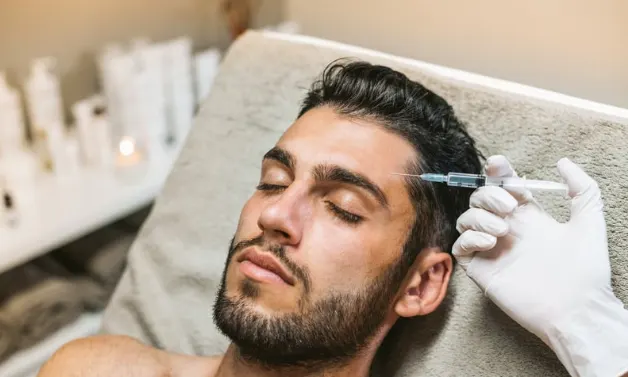
Yes, Botox can go wrong, but serious complications are rare when the treatment is performed by a qualified, board-certified provider. Most side effects are temporary and resolve within days to weeks. The key to safe, natural-looking Botox is choosing an experienced injector who understands facial anatomy and uses a conservative approach.
At Adult and Pediatric Dermatology in Forest Hills, Queens, Dr. Michael Paltiel and our team prioritize precision and patient safety. With over 20 years of experience and thousands of successful treatments, we help patients achieve refreshed, natural results without the risks associated with inexperienced providers.
What Does Bad Botox Look Like?
When Botox goes wrong, the results are usually visible. Common signs of a bad Botox treatment include:
Frozen or expressionless face. This happens when too much Botox is injected, paralyzing muscles to the point where natural facial expressions become difficult. You may look surprised, angry, or emotionless even when you are not.
Droopy eyelid or eyebrow. Called ptosis, this occurs when Botox migrates to unintended muscles around the eye. One eyelid may appear lower than the other, or your brow may droop and make you look tired.
Asymmetry. If Botox is injected unevenly, one side of your face may look different from the other. One eyebrow might sit higher, or one side of your forehead may move while the other does not.
Spock brow. This happens when the outer eyebrows are lifted too high while the center of the forehead is frozen, creating an unnatural arched appearance.
Unnatural appearance. Overall, bad Botox makes you look “done” rather than refreshed. Friends and family notice something is off, even if they cannot pinpoint exactly what.
The good news is that these effects are temporary. Botox typically wears off in three to four months, and any unwanted results will gradually fade as muscle activity returns.
What Causes Botox to Go Wrong?
Understanding why Botox goes wrong helps you avoid these problems. The most common causes include:
Inexperienced injector. Botox requires precise knowledge of facial anatomy. An inexperienced provider may inject in the wrong location, use incorrect dosing, or fail to account for your unique muscle structure.
Too many units. More is not always better with Botox. Overtreatment leads to the frozen, expressionless look that many people fear. A skilled provider uses the minimum effective dose for natural results.
Incorrect injection placement. Even small errors in placement can cause Botox to affect nearby muscles. Injecting too close to the eye area, for example, can lead to drooping eyelids.
Poor quality or diluted product. Some discount providers dilute Botox more than recommended or use counterfeit products. This affects both safety and results.
Not following aftercare instructions. Rubbing the treated area, lying down too soon, or exercising immediately after treatment can cause Botox to migrate to unintended areas.
“Not if done properly and conservatively,” says Dr. Michael Paltiel when asked if Botox will make your face look frozen. The difference between good and bad Botox often comes down to provider experience and technique.
What Are the Common Side Effects of Botox?
Most Botox side effects are mild and temporary. These are normal responses that typically resolve within a few days:
Bruising at the injection site. Small bruises may appear where the needle entered the skin. These usually fade within a week and can be covered with makeup.
Mild swelling or redness. The treated area may appear slightly puffy or pink immediately after treatment. This typically subsides within a few hours.
Headache. Some patients experience a mild headache in the first day or two after Botox. This is usually temporary and responds to over-the-counter pain relief.
Tenderness. The injection sites may feel slightly sore to the touch for a day or two.
These side effects are considered normal and are not signs that something went wrong. They indicate your body is responding to the treatment and will resolve on their own.
What Are the Serious Side Effects of Botox?
Serious side effects from Botox are rare, especially when treatment is performed by a qualified provider. However, it is important to be aware of potential complications:
Eyelid drooping (ptosis). This occurs in a small percentage of patients and is usually caused by Botox spreading to the muscle that lifts the eyelid. It typically resolves within a few weeks.
Difficulty swallowing or breathing. Extremely rare, this can occur if Botox spreads beyond the injection site. Seek immediate medical attention if you experience these symptoms.
Allergic reaction. Signs include rash, hives, itching, or swelling beyond the treatment area. While uncommon, allergic reactions require prompt medical care.
Excessive muscle weakness. Temporary weakness in muscles near the injection site can occur but typically resolves as the Botox wears off.
If you experience any concerning symptoms after Botox, contact your provider immediately. At Adult and Pediatric Dermatology, we provide thorough aftercare guidance and are available to address any concerns following your treatment.
How to Avoid Bad Botox
The best way to ensure safe, natural-looking results is to choose your provider carefully. Here is what to look for:
Choose a board-certified dermatologist or plastic surgeon. These specialists have extensive training in facial anatomy and injection techniques. They understand how muscles work together and can anticipate how Botox will affect your expressions.
Ask about their experience. How many Botox treatments have they performed? Do they specialize in cosmetic procedures? An experienced injector has seen a wide range of faces and knows how to customize treatment.
Look for natural results in before-and-after photos. A good provider’s gallery should show patients who look refreshed, not frozen or overdone.
Ask what products they use. Reputable practices use authentic Allergan Botox or FDA-approved alternatives like Dysport. Be wary of providers who cannot tell you exactly what they are injecting.
Beware of deals that seem too good to be true. Extremely low prices often mean diluted product, inexperienced injectors, or unsafe conditions. Quality Botox from qualified providers costs what it costs for good reason.
Pay attention to the consultation. A good provider will assess your facial anatomy, discuss your goals, and recommend a conservative approach. They should never pressure you to get more than you need.
What to Do Before Your Botox Treatment
Proper preparation helps minimize side effects and optimize results:
Take zinc for a week before your appointment. Dr. Paltiel recommends zinc supplementation prior to Botox, as it may help increase the longevity of your results.
Avoid blood thinners. Stop taking aspirin, ibuprofen, fish oil, and vitamin E for several days before treatment (unless prescribed by your doctor). These increase bruising risk.
Skip alcohol. Avoid alcohol for 24 hours before your appointment, as it can increase bruising and swelling.
Share your medical history. Tell your provider about any medications, allergies, or medical conditions. Certain conditions may affect whether Botox is right for you.
Come with clean skin. Arrive without makeup on the treatment areas so your provider can properly assess and inject.
What to Do After Your Botox Treatment
Following aftercare instructions is essential for safe, effective results:
Stay upright for four hours. Do not lie down or bend over for at least four hours after your injections. This helps prevent Botox from migrating to unintended areas.
Avoid touching or rubbing the treated area. Do not massage, rub, or apply pressure to the injection sites for 24 hours.
Skip strenuous exercise. Avoid intense workouts, hot yoga, and saunas for 24 hours after treatment.
Avoid alcohol. Skip alcoholic beverages for 24 hours to minimize swelling and bruising.
Be patient. Results take time to appear. You may notice improvements within 24 to 48 hours, but full results typically develop over 10 to 14 days.
Can Bad Botox Be Fixed?
If you are unhappy with your Botox results, your options depend on the specific problem:
Most issues resolve on their own. Since Botox is temporary, unwanted effects typically fade as the product wears off over three to four months.
Some asymmetry can be corrected. If one area is undertreated, your provider may be able to add a small amount of Botox to balance your results.
Drooping eyelids may be treated. Prescription eye drops can sometimes help lift a drooping eyelid while waiting for the Botox to wear off.
Follow-up appointments help. A good provider will schedule a follow-up to assess your results and make adjustments if needed.
The best approach is prevention. Choosing a qualified provider and following aftercare instructions significantly reduces the risk of complications.
Safe Botox Treatment at Adult and Pediatric Dermatology
At Adult and Pediatric Dermatology in Forest Hills, Queens, patient safety is our top priority. Our approach to Botox focuses on natural results through conservative, precise treatment.
Board-certified expertise. Dr. Michael Paltiel is a board-certified dermatologist who completed his medical training at Johns Hopkins University School of Medicine. With over 20 years of experience in cosmetic and medical dermatology, he brings exceptional skill to every treatment.
Conservative approach. We believe in using the minimum effective dose to achieve natural-looking results. Our goal is to help you look refreshed and relaxed while still looking like yourself.
Trusted products. We use only authentic Allergan Botox and Dysport, the most trusted neurotoxin brands with established safety records.
Thousands of satisfied patients. With over 1,000 five-star Google reviews, our patients consistently praise our professional care and beautiful results.
Comprehensive aftercare. We provide detailed post-treatment instructions and are available to address any questions or concerns following your appointment.
If you are considering Botox and want to ensure a safe, positive experience, schedule a consultation with our team. Call Adult and Pediatric Dermatology at 718-896-3376 or book online today.
Frequently Asked Questions
How long do Botox side effects last?
Most common side effects like bruising, swelling, and tenderness, resolve within a few days. More significant effects like eyelid drooping typically improve within a few weeks and fully resolve as the Botox wears off.
Does Botox cause headaches?
Some patients experience mild headaches in the first day or two after treatment. This is usually temporary and not a cause for concern. Interestingly, Botox is also FDA-approved to treat chronic migraines.
Can you be allergic to Botox?
Allergic reactions to Botox are rare but possible. Signs include rash, hives, itching, or swelling beyond the treatment area. If you experience these symptoms, contact your provider or seek medical attention.
What should I do if my Botox looks wrong?
Contact your provider to discuss your concerns. Some issues can be corrected with additional treatment, while others will resolve as the Botox wears off over three to four months.
Is Botox safe for everyone?
Botox is not recommended for pregnant or breastfeeding women, people with certain neurological conditions, or those with allergies to botulinum toxin. Discuss your medical history with your provider to determine if Botox is right for you.
Disclaimer
Medically reviewed by Dr. Michael Paltiel, MD.
This content is for educational purposes only and is not intended as medical advice, diagnosis, or treatment. Please consult a qualified healthcare provider for personalized recommendations.